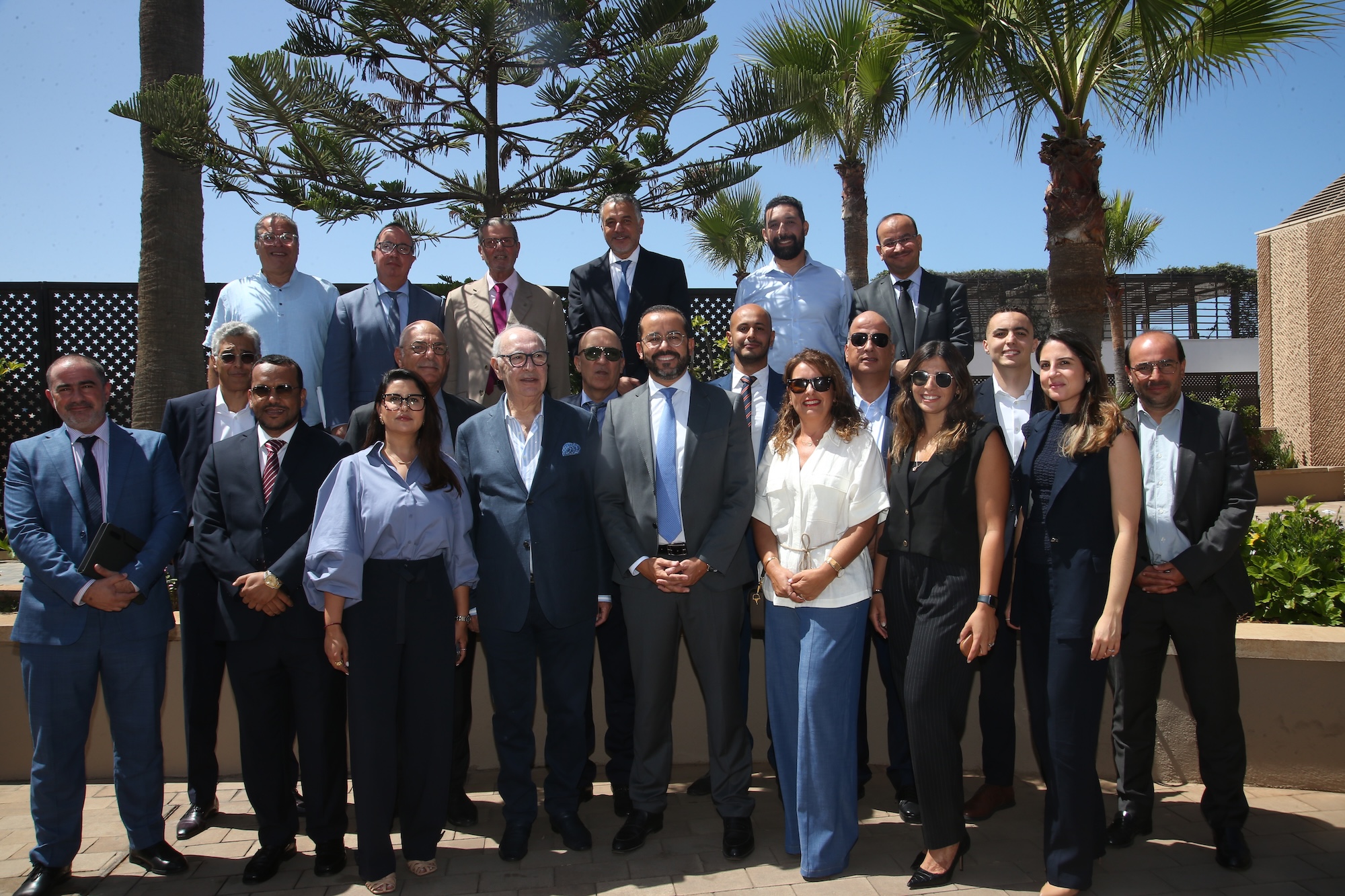
On Wednesday, September 3, the MNTO launched a national consultation with all tourism stakeholders to refine its promotional strategy. This unifying approach puts Morocco on the path to becoming “Stronger” and prepares the destination to enhance its international appeal.
As part of the 2026-2030 tourism roadmap, the Moroccan National Tourism Office has just taken a new step in the joint development of its national and international promotion strategy. The approach is coordinated with the National Tourism Confederation and its regional and professional components.
This phase of dialogue marks a decisive step in the implementation of the new strategy for promoting and marketing Morocco as a destination. The ambition is to build a strategy aligned with the concrete needs on the ground and the profound changes in the global tourism market.
“This consultation is essential : it allows us to anchor our strategy in the realities on the ground while propelling Morocco toward new ambitions. Together with professionals, we want to move from being a strong destination to an even more influential one, capable of competing in the most competitive markets,” emphasizes Achraf Fayda, CEO of the MNTO.
Beyond the shared diagnosis, it is indeed the spirit of the strategy that is taking shape: to move from “Strong” to “Stronger” by 2030, a formula that reflects the desire to anchor Morocco as an already strong destination, but one that is destined to shine even brighter. The choice of words embodies an ambition to consolidate but also to elevate, in a context of intensifying international competition.
Four key pillars have been defined: Air Travel, Distribution, Image, and Digitalization.
The approach, welcomed by industry players, is intended to be inclusive and pragmatic.
“This consultation reflects a strong collective dynamic: together, we will take Morocco as a destination to a new level, moving from co-construction to co-development and accelerating the pace of growth,” emphasizes Hamid Bentahar, President of the National Tourism Confederation.
The coming months will be decisive. The MNTO will have to transform these consultations with professionals into concrete programs, from the diversification of source markets to destination storytelling, including more targeted international campaigns. The ultimate goal is to position Morocco among the top 15 global destinations, exceeding 26 million tourists by 2030 with a high level of satisfaction.
By engaging in this structured dialogue with the entire ecosystem, the MNTO is laying the groundwork for a collective and unifying strategy. This is a pivotal step that could redefine the contours of Morocco’s tourism brand on the world stage.
المكتب الوطني المغربي للسياحة يبني استراتيجيته بشكل تشاركي مع مهنيي القطاع
أطلق المكتب الوطني المغربي للسياحة، يوم الأربعاء 3 شتنبر، مشاورات وطنية شاملة مع كافة الفاعلين في قطاع السياحة من أجل بلورة دقيقة لاستراتيجيته الترويجية. مبادرة موحِّدة تهدف إلى وضع المغرب على مسار « الأقوى » وتحضير الوجهة لتعزيز إشعاعها على الصعيد الدولي
وفي إطار خارطة طريق السياحة للفترة 2026-2030، قطع المكتب الوطني المغربي للسياحة مرحلة جديدة في بناء استراتيجيته الترويجية على المستويين الوطني والدولي بشكل تشاركي. وتتم هذه المقاربة بالتنسيق مع الكونفدرالية الوطنية للسياحة ومكوناتها الجهوية والمهنية
تمثل هذه المرحلة من الحوار محطة حاسمة في تنزيل الاستراتيجية الجديدة لترويج وتسويق الوجهة السياحية للمغرب. الطموح هو بناء استراتيجية تتماشى مع الاحتياجات الفعلية على أرض الواقع ومع التحولات العميقة التي يعرفها السوق السياحي العالمي
:وأكد السيد أشرف فائدة، المدير العام للمكتب الوطني المغربي للسياحة، قائلاً
تُعدّ هذه المشاورات ضرورية، لأنها تُمكننا من ترسيخ استراتيجيتنا في الواقع الميداني، وفي نفس الوقت تسهم في الدفع بالمغرب نحو آفاق جديدة. نطمح، رفقة المهنيين، إلى الانتقال من وجهة قوية إلى وجهة أكثر تأثيراً، قادرة على المنافسة في أكثر الأسواق تطلباً
وعلاوة على التشخيص المشترك، يتضح من خلال هذه العملية جوهر الاستراتيجية: الانتقال من « قوية » إلى « أقوى » في أفق 2030. وهي صيغة تعبر عن إرادة ترسيخ مكانة المغرب كوجهة قوية بالفعل، ولكن مرشحة لتعزيز حضورها وإشعاعها بشكل أكبر. كما يعكس اختيار الكلمات طموحًا في التثبيت والتصعيد، في سياق يتسم بتزايد حدة المنافسة الدولية
وقد تم تحديد أربعة ركائز أساسية للاستراتيجية: النقل الجوي، التوزيع، الصورة، الرقمنة
وقد لاقت هذه المقاربة ترحيباً من طرف الفاعلين في القطاع، حيث تهدف لأن تكون شاملة وواقعية
:وقال السيد حميد بن طاهر، رئيس الكونفدرالية الوطنية للسياحة
تعكس هذه المشاورات دينامية جماعية قوية: سنعمل معًا على تطوير وجهة المغرب نحو بُعد جديد، من خلال الانتقال من البناء المشترك إلى التطوير المشترك وتسريع وتيرة النموالأشهر المقبلة ستكون حاسمة. إذ ينبغي على المكتب الوطني المغربي للسياحة أن يترجم هذه المشاورات إلى برامج ملموسة، من تنويع الأسواق المصدرة للسياح إلى بناء سردية ترويجية للوجهة، مرورًا بحملات دولية أكثر استهدافًا
والهدف في الأفق هو وضع المغرب ضمن أفضل 15 وجهة سياحية في العالم، وتجاوز 26 مليون سائح في أفق 2030، مع الحفاظ على مستوى عالٍ من رضا الزوار من خلال هذا الحوار البنّاء مع جميع مكونات المنظومة السياحية، يُرسي المكتب الوطني المغربي للسياحة أسس استراتيجية جماعية وموحِّدة. وهي مرحلة مفصلية قد تعيد رسم معالم علامة المغرب السياحية على الساحة الدولية
L’ONMT co-construit sa stratégie
avec les professionnels du secteur
L’ONMT a engagé, ce mercredi 3 septembre, une concertation nationale avec l’ensemble des acteurs du tourisme pour affiner sa stratégie de promotion. Une démarche fédératrice qui place le Maroc sur la trajectoire du “Stronger” et prépare la destination à renforcer son rayonnement à l’international.
Dans le cadre de la feuille de route du tourisme 2026-2030, l’Office National Marocain du Tourisme vient de franchir une nouvelle étape dans la co-construction de sa stratégie de promotion nationale et internationale. La démarche est concertée, avec la Confédération Nationale du Tourisme et ses composantes régionales et métiers.
Cette phase de dialogue marque une étape décisive dans la mise en place de la nouvelle stratégie de promotion et de commercialisation de la destination Maroc. L’ambition est de bâtir une stratégie alignée sur les besoins concrets du terrain et sur les mutations profondes du marché touristique mondial.
« Cette concertation est essentielle : elle nous permet d’ancrer notre stratégie dans les réalités du terrain tout en projetant le Maroc vers de nouvelles ambitions. Ensemble avec les professionnels, nous voulons passer d’une destination forte à une destination encore plus influente, capable de rivaliser sur les marchés les plus compétitifs. » souligne Achraf Fayda, Directeur Général de l’ONMT.
Au-delà du diagnostic partagé, c’est en effet l’esprit de la stratégie qui se dessine : passer de “Strong” à “Strongher” d’ici 2030, une formule qui traduit la volonté d’ancrer le Maroc comme une destination déjà forte, mais appelée à rayonner encore davantage. Le choix des mots incarne une ambition de consolidation mais aussi d’élévation, dans un contexte où la compétition internationale s’intensifie.
4 piliers structurants ont été définies : Aérien, Distribution, Image, Digitalisation.
La démarche, saluée par les acteurs du secteur, se veut inclusive et pragmatique.
«Cette concertation traduit une dynamique collective forte : c’est ensemble que nous ferons progresser la destination Maroc vers une nouvelle dimension en passant de la co-construction au co-développement et à l’accélération du rythme de la croissance.» souligne Hamid Bentahar, Président de la Confédération Nationale du Tourisme.
Les prochains mois seront décisifs. L’ONMT devra transformer ces concertations avec les professionnels en programmes concrets, depuis la diversification des marchés sources jusqu’au storytelling de la destination, en passant par des campagnes internationales plus ciblées. L’objectif à terme étant de positionner le Maroc parmi les 15 meilleures destinations mondiales, en dépassants les 26M de touristes à horizon 2030 avec un niveau de satisfaction élevé.
En engageant ce dialogue structurant avec l’ensemble de l’écosystème, l’ONMT met en place les jalons d’une stratégie collective et fédératrice. Une étape charnière qui pourrait redéfinir les contours de la marque touristique Maroc sur la scène mondiale.